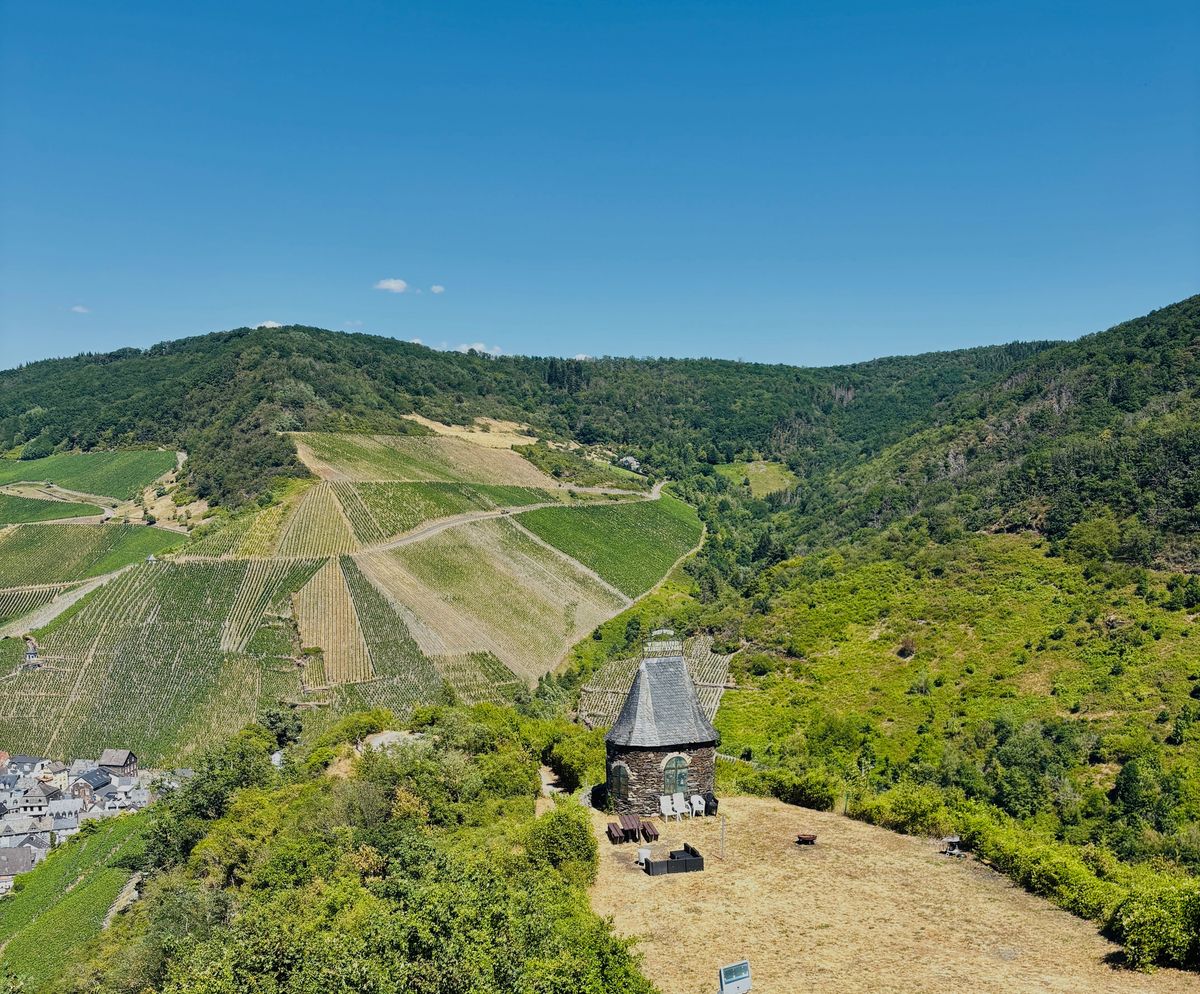
Photo : Sajid Shiper / Pexels
How can you attract more visitors to your vineyard?
Declining wine consumption: a threat or an opportunity?
The French are drinking less wine. This has been a documented reality for several years. Younger generations are drinking differently — less frequently, but more mindfully. They seek to understand what they are drinking, to forge a connection with the producer, and to enjoy an experience rather than simply buying a product.
For wine estates, this presents a significant opportunity. Not to sell more bottles in supermarkets. It’s about forging a direct, lasting connection with customers who choose to come to you.
The figures back this up. According to the Winalist 2026 Observatory, one in two wine tourism visitors is now under 35. A third of visitors are aged between 25 and 34 — this group is now the main audience for wineries and wine estates. And during their visit, these young consumers spend an average of €164 on wine on site.
Young, engaged people who are ready to buy — provided the experience lives up to their expectations.
What today’s visitors want
Overly formal set-ups no longer work. Guided tours full of technical jargon, wine tastings held standing up in a soulless room — these no longer attract visitors or build loyalty.
What does attract them: modern, relaxed set-ups that leave room for personal discovery. Terraces with stunning views. Hands-on workshops. Tours that you can take at your own pace, in your own language, with a narrative that tells a genuine story.
What keeps people coming back and talking about it: the experience they’ve had on site. Not just the technical quality of the wine — the story you take away with you. What you’ve learnt, felt and shared.
Lever 1 — Online visibility
A vineyard that’s invisible on Google is one that tourists won’t find. Here are a few practical steps:
Google Business Profile The listing that appears when someone searches for “wine cellar tours [your region]”. Free, simple, often overlooked. A complete listing with photos, opening hours and customer reviews greatly increases your chances of appearing in local searches.
A clear website A potential visitor needs to understand within 10 seconds: where you are, what they can experience at your venue, and how to get there. If this information isn’t clear, they’ll move on to the next venue.
Wine tourism platforms Rue des Vignerons, Winalist and Winetourbooking list the experiences that tourists are actively seeking. Having a presence on these platforms means being visible to an audience that’s already interested in your business.
Strategy 2 — Local partnerships
Tourists don’t plan their trips on their own. They seek advice from tourist information centres, hoteliers, and holiday home and campsite managers.
Tourist information centres Your primary referral network. Being listed, regularly promoting your offers and taking part in local events — this generates traffic you don’t have to create yourself.
Accommodation providers A hotel or campsite 10 km away welcomes tourists looking for things to do during the day. A QR code at reception or a map in the rooms can send dozens of visitors your way each season.
Restaurants and wine cellars They serve your wine. They speak to people who love wine. A relationship of trust with these local businesses becomes a natural channel for recommendations.
Lever 3 — Word of mouth
This is the most powerful. And the hardest to control directly.
A visitor who has experienced something genuine — a story that moved them, a moment they didn’t expect — will talk about it. To their family, their friends, on their social media.
Google reviews A satisfied visitor who leaves a review means lasting local visibility. At the end of their visit: “If you enjoyed your visit, a Google review really helps us.” That’s all.
Social media shares A beautiful view, a well-placed picnic table, a photogenic moment on your estate — your visitors will do the rest. People aged 25–34 naturally share their experiences. Give them something to show off.
The experience: the real differentiator
Attracting visitors is one thing. Turning them into loyal customers — and ambassadors — is quite another.
A visitor who spends an hour without any storytelling or a clear narrative thread leaves with only a vague impression. A visitor who has heard a true story, in a real place, told by someone who lives it — leaves with something to talk about.
Does attracting more visitors automatically mean selling more bottles? Not directly. But an engaged visitor who has had a memorable experience is far more likely to leave with a case — and the €164 average spend by young visitors confirms this.
The experience comes first. The lasting connection comes next. Sales, naturally.
Where to start?
- Complete your Google Business Profile
- Contact your local tourist office to get listed
- Ask your satisfied visitors to leave a Google review
- Think about the on-site experience — that’s what turns a visit into a memory
Photo: Sajid Shiper / Pexels
Xavier Adraste is the founder of Merci Gabin, a platform offering digital audio tours for wine estates. Find out how to enhance your visitors’ experience →